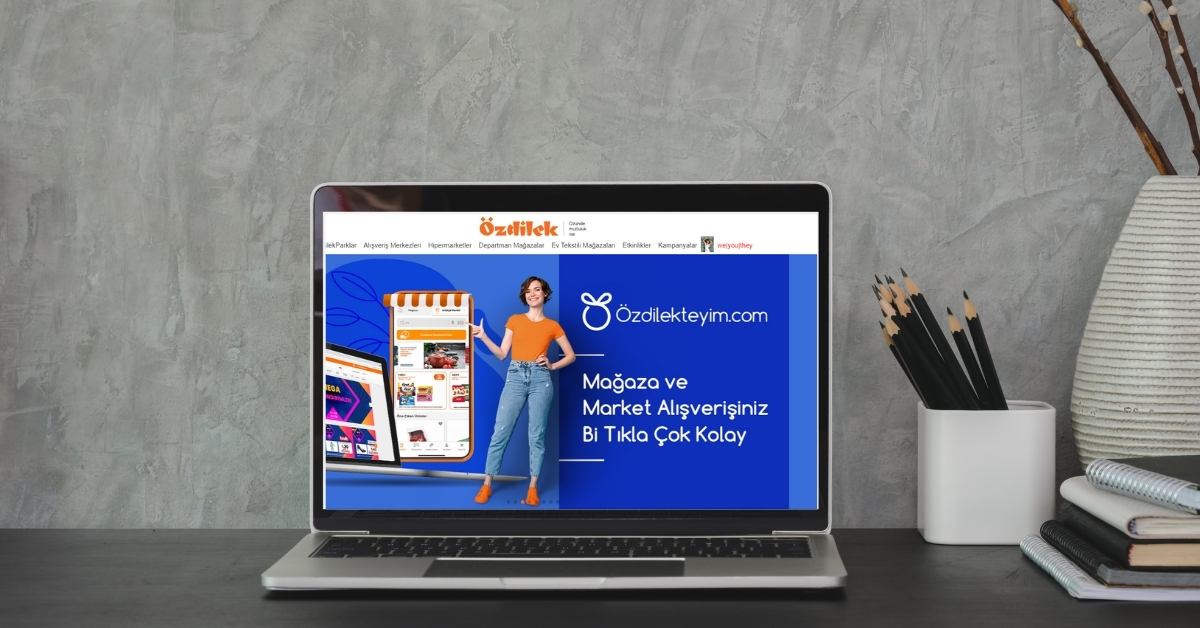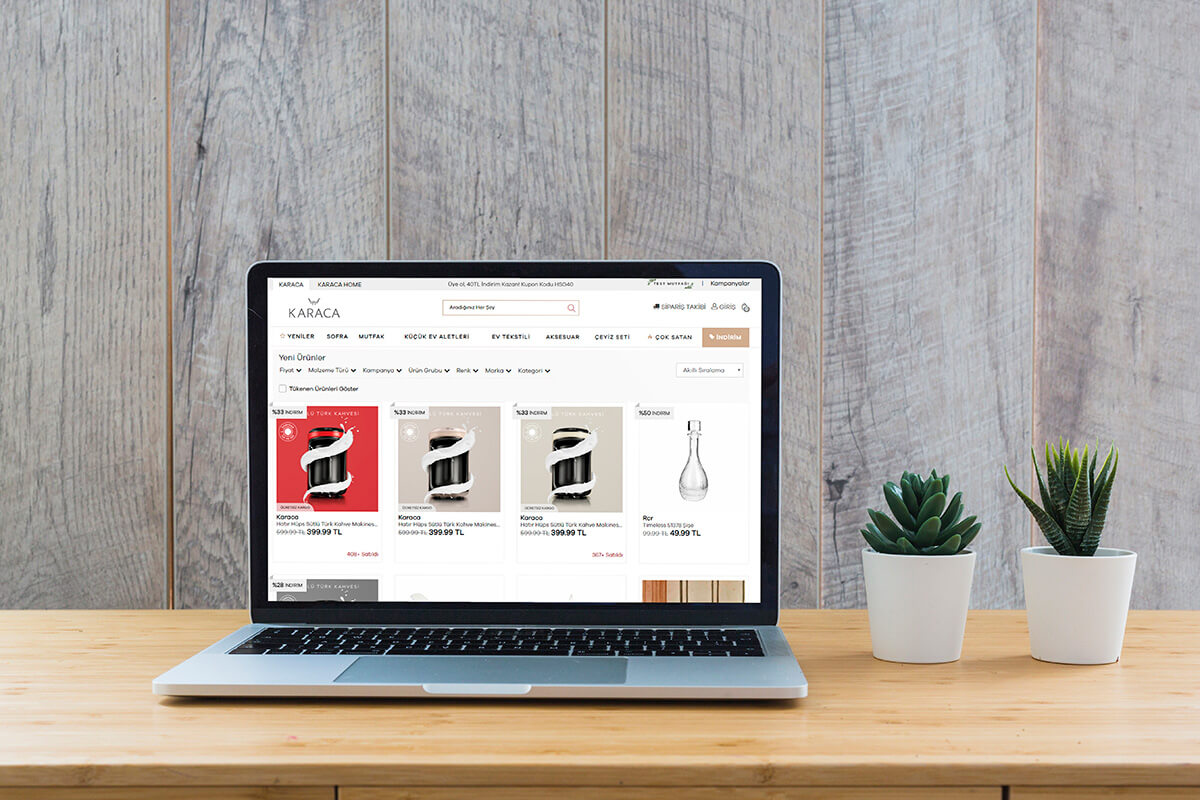

During the COVID-19 pandemic, consumers have been spending more time online due to social isolation and remote work. As a result, we recommend focusing on what you can achieve with your online store and digital marketing to make up for reduced foot traffic in physical stores.
Now is the time to reassess your marketing expenditures and enhance the effectiveness of your digital communication. Treat the homepage of your online store as you would a physical storefront, and bring elements of the in-store experience to your product pages and social media channels. Don’t forget about pay-per-click (PPC) channels like search and display ads.
So, what else can you do to increase your online sales? Let’s explore together.
1. Reach Out to High-Value Customers
Approximately 20% of your customers contribute to 80% of your revenue, so consider prioritizing high-value customers to ensure their lifelong loyalty.
Stay productive while working remotely, and keep in touch with your customers through push notifications, text messages, and email. Using customer engagement platforms, you can also send personalized recommendations with links to online purchases.
2. Adapt Your Marketing Messages
In the coming period, brands should be sensitive to consumer needs and rethink their marketing and advertising strategies. This may involve pausing certain campaigns and adjusting ad copy and visuals to better reflect the realities of the COVID-19 pandemic. For instance, you may want to avoid promoting luggage with a “Travel” message when there are travel restrictions in place.
However, brands should avoid deviating too far from their core messaging or, worse, coming across as opportunistic.
3. Create “Social Experiences” on Social Media
During social isolation, customers are increasingly turning to social media for content and connection. Brands should use social media carefully to ensure that customers can access relevant content.
From virtual showrooms to live-streamed yoga classes, brands are creatively engaging their loyal audiences through social media channels. We’ve seen more examples of this, and we agree it’s an effective approach.
4. Offer Free Shipping and Delivery Options
Shipping costs can be a barrier for online shoppers, so consider offering free shipping if possible. Another option is to provide a “store pickup” feature. Even if your store is not technically open, you can mention that discounted items will be available for pickup once your store reopens.
5. Extend Your Return and Exchange Policy
Showing empathy toward customers’ uncertainties can go a long way. Store closures make returns and exchanges more difficult, which can reduce online purchases, as people may avoid shopping if they can’t return items easily.
Expanding your return and exchange policy to accommodate the current situation can reduce buyer hesitation and encourage online shopping. If your usual return period is 15 days, consider extending it to a month or longer.
6. Automate Marketing and Loyalty Programs
Loyalty programs can help you create automated marketing communications to encourage current customers to shop online. You can send targeted and automated emails and texts to drive traffic to your website or even establish a referral program to attract new customers while rewarding existing ones for their loyalty.
7. Reevaluate Your Paid Marketing Strategy
Digital marketing offers many opportunities to reach customers and deliver offers while they’re online. With limited cash flow, it’s a good time to rethink your paid marketing strategy, focusing on tactics with the highest return on investment. Use budget control options on paid ad platforms to manage your daily and ongoing budgets effectively. Below are some platforms and ad channels to consider:
Use Retargeting Ads to reach your customers
Facebook advertising can help you reach new customers by using custom audiences built from past customers or followers who already know and like your brand. You can upload a customer list to Facebook’s Ad Manager and use the platform to engage with your most loyal customers, highlighting your best offers.
Sell on Instagram
With its engaged user base, Instagram can make your brand more discoverable by current and future customers. Create a shoppable Instagram feed on your business account to increase e-commerce sales, and use tools that make it easier to sell directly on Instagram.
Video stories are an excellent way to build deeper connections and showcase your brand’s personality. Be sure to include product links so viewers can make purchases directly from the app.
Engage Shoppers with Google Smart Shopping Campaigns
While some ads may be disrupted, search network advertising can help you reach customers actively looking for your products. Google Shopping allows online shoppers to find your brand on YouTube, Google Search, and Gmail.
Setting up Google Shopping is relatively easy. You can sync products with Google Merchant Center, set a budget, and allow Google to optimize the campaign so your products appear in searches across Google’s network.
These strategies can help you adapt your e-commerce approach to the COVID-19 period. However, if you don’t have an e-commerce infrastructure in place, act quickly and treat this slower period as a time for renewal. Don’t delay your transition to a seamless e-commerce infrastructure that delivers a high-quality customer experience.